The Surprising Brain Benefits of Playing Math Puzzles
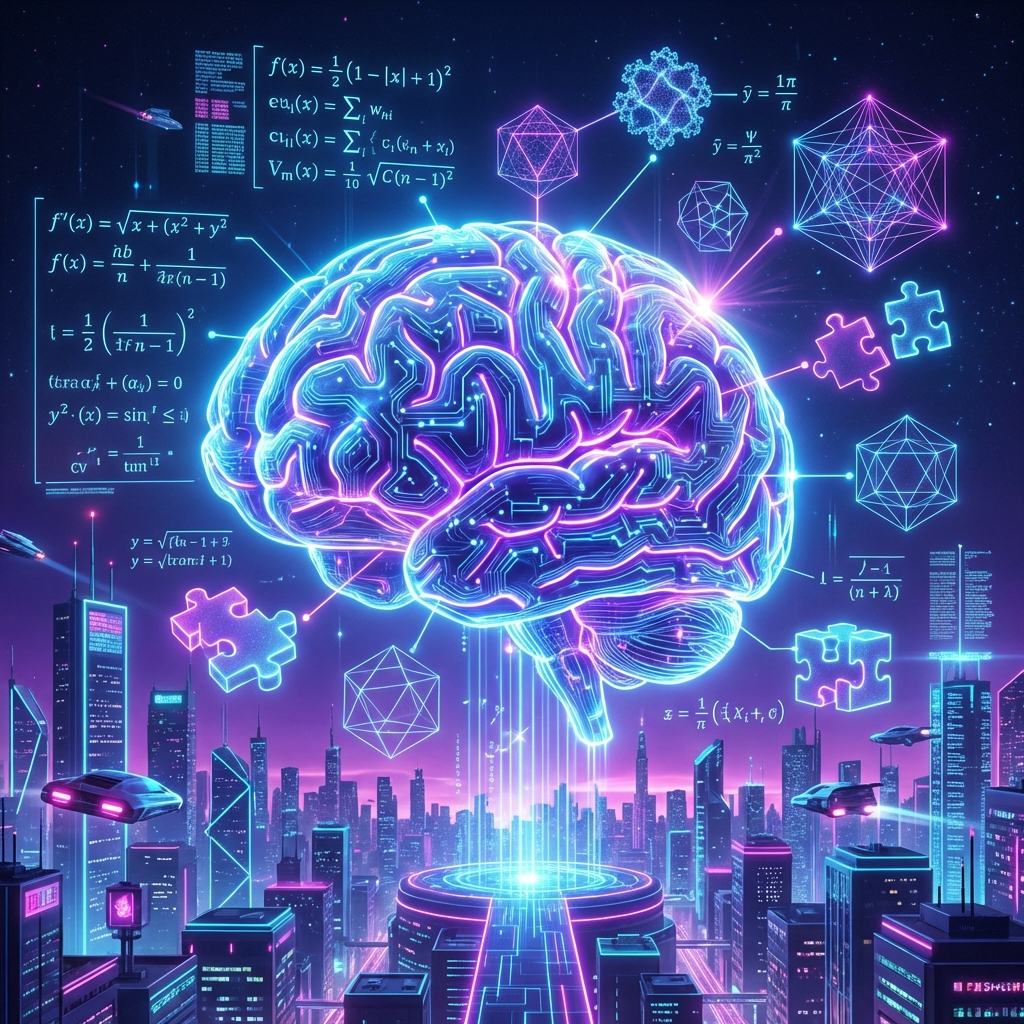
In an era dominated by high-octane action games and battle royales, the humble math puzzle might seem like a relic of the past. However, recent studies and cognitive science suggest that games like Math Crosswords and logic grids are far more than just casual pastimes. They are powerful tools for brain training, offering benefits that extend well beyond the screen.
1. Enhancing Neuroplasticity
Neuroplasticity is the brain's ability to reorganize itself by forming new neural connections. Engaging in mathematical problem-solving requires the brain to shift between different modes of thinking—analytical, spatial, and logical. This constant switching strengthens the synaptic connections, effectively "exercising" the brain in the same way lifting weights exercises muscle.
2. Improving Working Memory
When you play a game like Mind Games, you are often required to hold multiple pieces of information in your head simultaneously. "If X is 5, and Y must be larger than X but smaller than 10..." specific scenarios force your working memory to kick into high gear. Regularly taxing your working memory has been linked to improvements in overall fluid intelligence and IQ.
3. Reducing Stress and Anxiety
It might seem counterintuitive that solving problems reduces stress, but math puzzles induce a state of "flow." In this state, the mind is fully immersed in the task at hand, blocking out external stressors and anxieties. The structured nature of math puzzles—where there is a clear right and wrong answer—provides a sense of order and control that can be deeply soothing.
4. Delaying Cognitive Decline
Long-term studies suggest that keeping the mind active with puzzles and logic games can delay the onset of dementia and Alzheimer's disease. Just as physical activity keeps the body young, mental activity keeps the brain youthful. The key is novelty; playing new types of puzzles keeps the brain from running on autopilot.
Did You Know?
A study conducted by the University of Exeter found that people who regularly engage in number puzzles have cognitive abilities equivalent to someone 10 years younger than their actual age.
Conclusion
The next time you prioritize a quick game of Math Crosswords over scrolling through social media, remember: you aren't just wasting time. You are sharpening your mind, protecting your future cognitive health, and building a stronger, more resilient brain.